
The Chinese smartphone maker's focus on offline retail has helped it overtake Samsung in top 50 cities in India.
With India contributing only 2% to its revenues, the multinational is focusing more on key markets like the US and China.

Revenue share from India has inched up to nearly 0.8 per cent of its global sales. The revenue growth rate is in stark contrast to the firm's performance in volume terms.

The once-popular brand plans to try its luck in the smartphone market with reliability as its key proposition.
This time food regulators found excess presence of ash content in Maggi

India serves as the company's R&D hub as it morphs into a health tech major.
YCook can add a year of shelf life to food without the side effects of chemical preservatives.

While looking at consumer behaviour in the post demonetisation period, the research found that rural consumers were equally enthusiastic about cashless payments.

Many consumer good companies say they will pass on the benefits to consumers, which will bring down prices.

Firms are offering employees flexi hours; demand for air purifiers, masks have skyrocketed.

Even though the powers of the board of directors stand suspended once a company's insolvency process begins, it does not absolve the directors from actions taken up to two years earlier.

PepsiCo bets on value-added water by launching vitamin-fortified drinks in a segment that is growing rapidly in India.
The tax imposed on buyback of shares and employee stock options is different in case of listed and unlisted companies, says Sudipto Dey

Oppo is the second Chinese brand after Xiaomi to secure single-brand retail licence. Xiaomi has now 600 retail partners.

The man who owns close to 94 per cent of the shares of Patanjali Ayurved, an unlisted company, does not, however, take a salary or receive dividends.
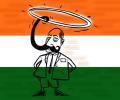
'If you wish to expand your business in a competitive global environment, you have no option but to be ethical.'

Initially, hair care products such as Vatika hair oil and shampoos, Meswak toothpaste, Chyawanprash and honey would be made available.
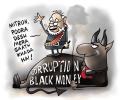
Under the Companies Act, all the rights of at least 300,000 disqualified directors cease to have any validity.
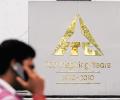
Once heavily dependent on the cigarettes segment, corporate behemoth ITC has diversified over the past two decades into many businesses that now generates 58 per cent of its revenue. Sanjiv Puri, chief executive officer, ITC, shares his plans with Arnab Dutta.
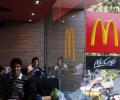
Default in payment of royalties to McDonald's India for nearly two years was the key reason behind the fast-food chain's decision to terminate franchise agreement
 © 2026 Rediff.com - Investor Information - Advertise with us - Disclaimer - Privacy Policy - Sitemap - Feedback - About us - Terms of use - Grievances